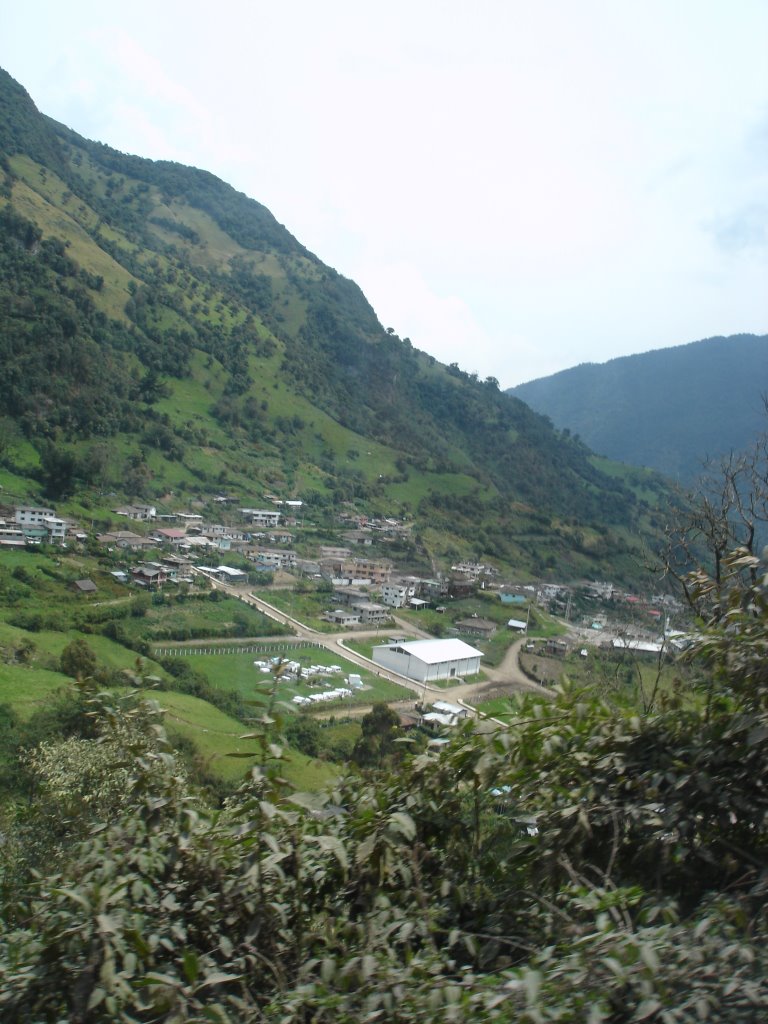
Sunday, 2 April 2006

Down to Ecuador's Eastern Cloudforest


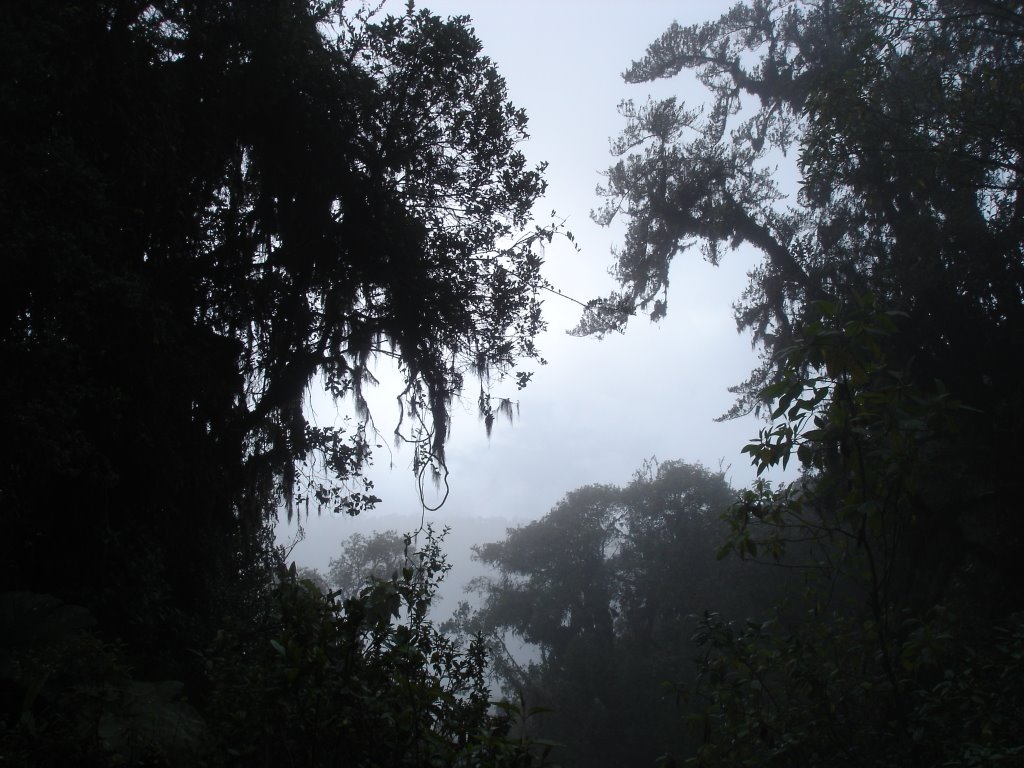
Leaving Papallacta (altitude 3300m) we continued
on a leisurely descent, admiring birds, plants and
scenery as we went.
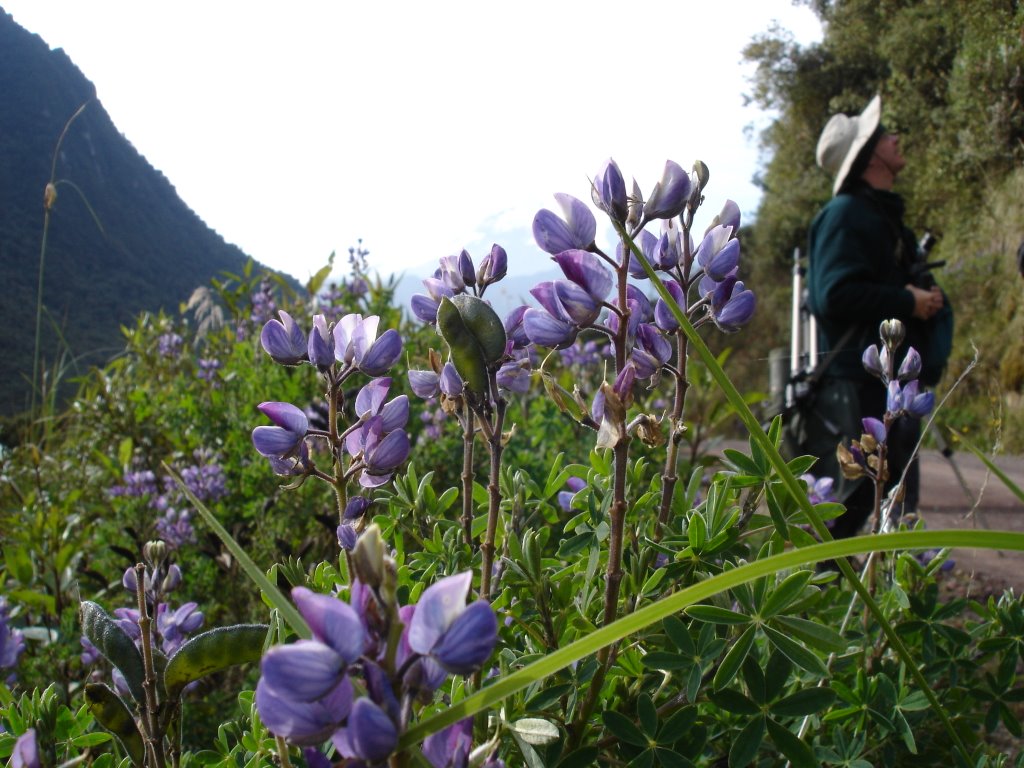
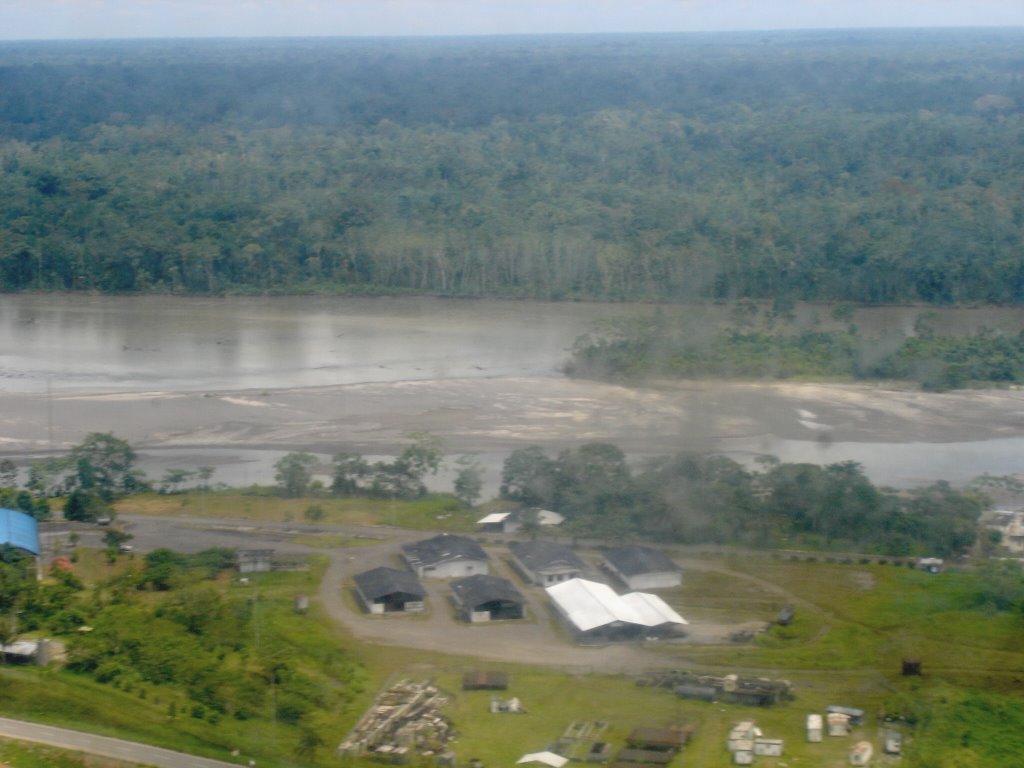
Mighty oaks from little acorns grow.......
and one whopping great river system
(the Amazon) from little dribbles
(how many millions?) such as this
also does grow!

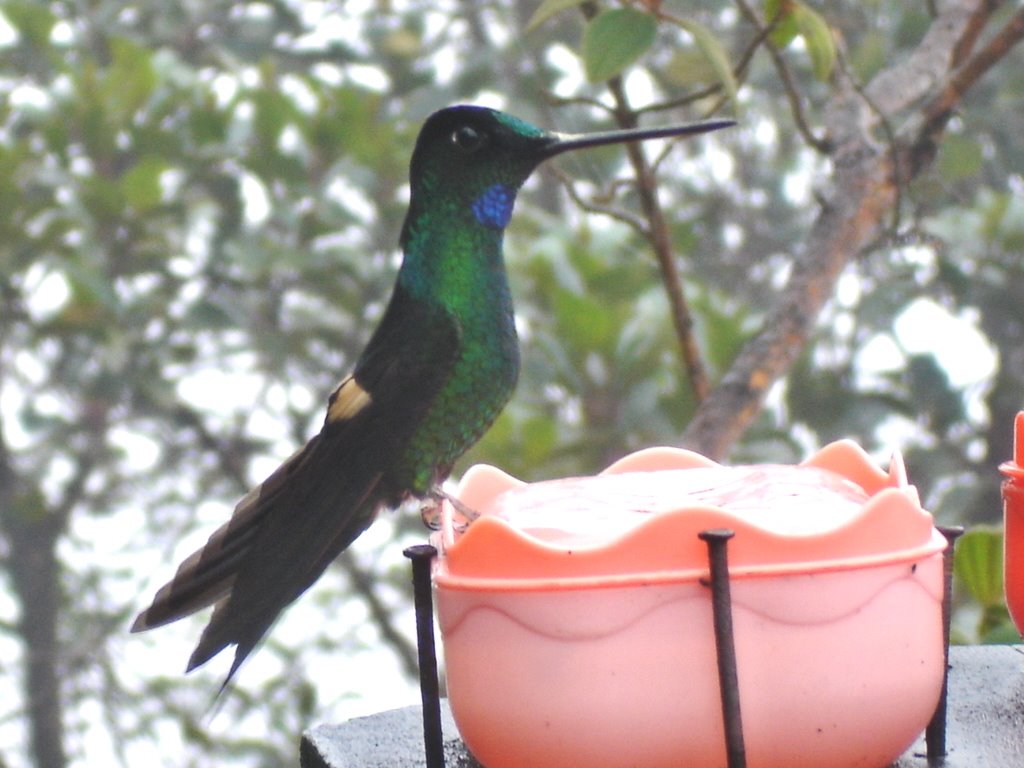
We made a particular point of stopping at
Guango Lodge (at altitude 2700m) to watch
at its hummingbird feeders for local specialities
http://www.sanisidrolodge.com/pages/guango_lodge.htm

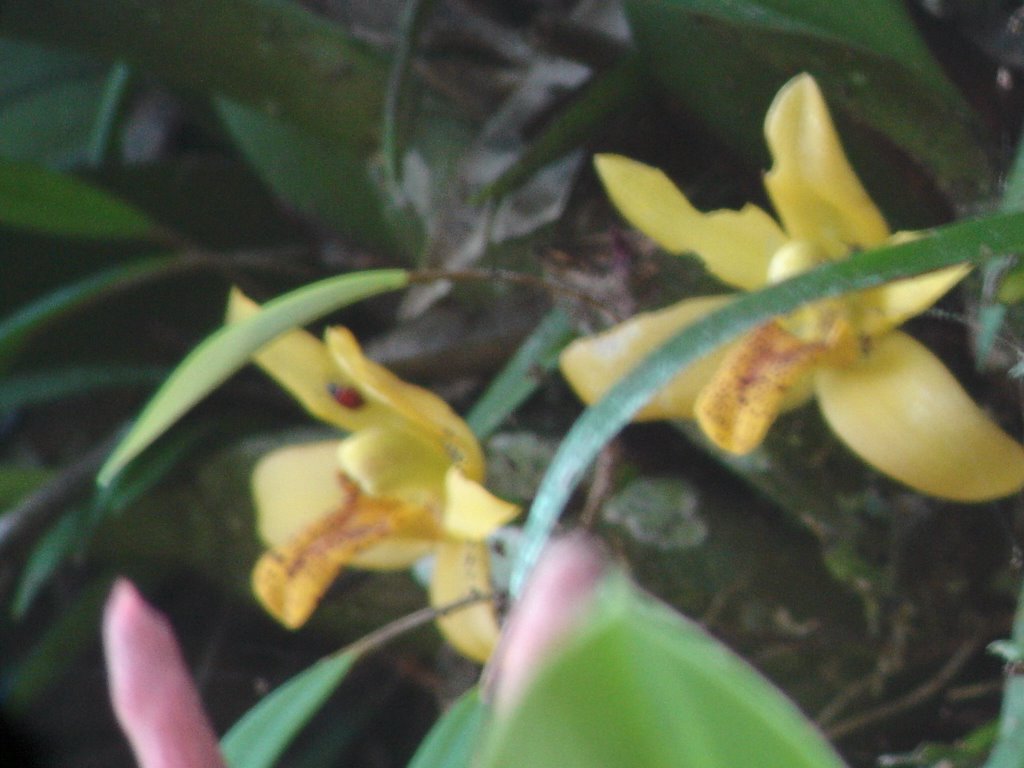
and admire its wild orchids.

Beyond Guango lodge's garden we explored nearby
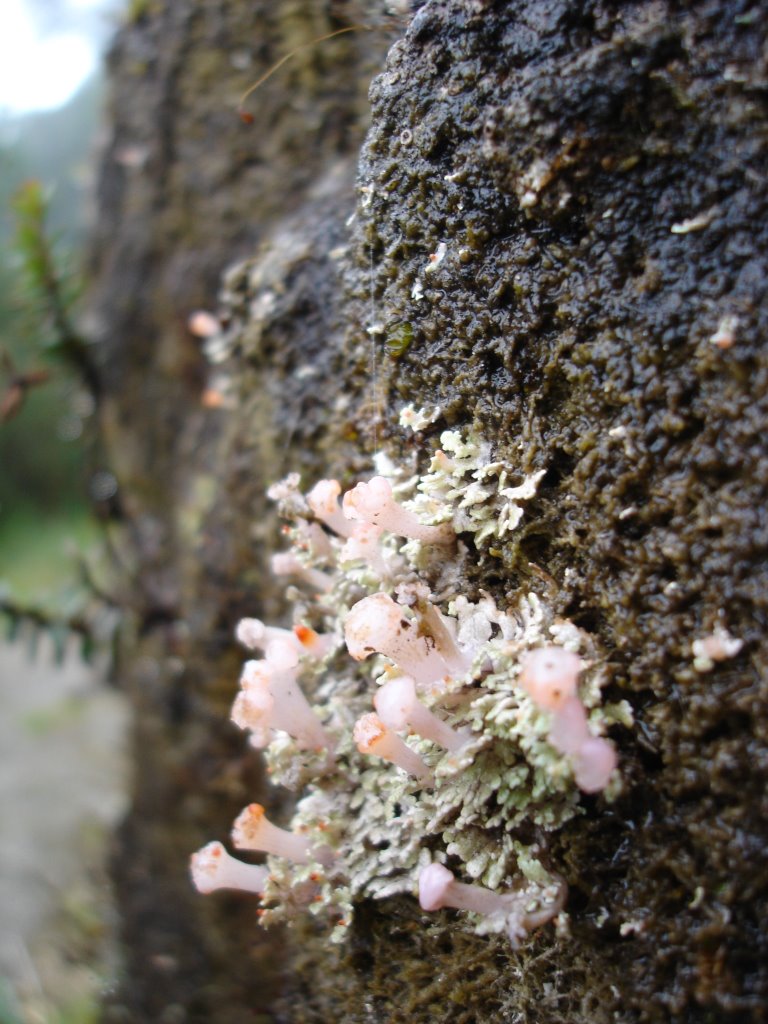
pastureland, where I was impressed by this
growth of lichen....

Then, reaching a bridge across the river gushing
down the valley.....


we spent a while watching out for torrent ducks
whose skills at living permenently in areas like this
whitewater canoists will appreciate while I can
only imagine.

The glory of spotting this sought after duck species
fell to me!!! (Hurrah! Important birds found on
the first and last days. It almost made up for
the ignomany of many other occasions when I was
about the last to see something)

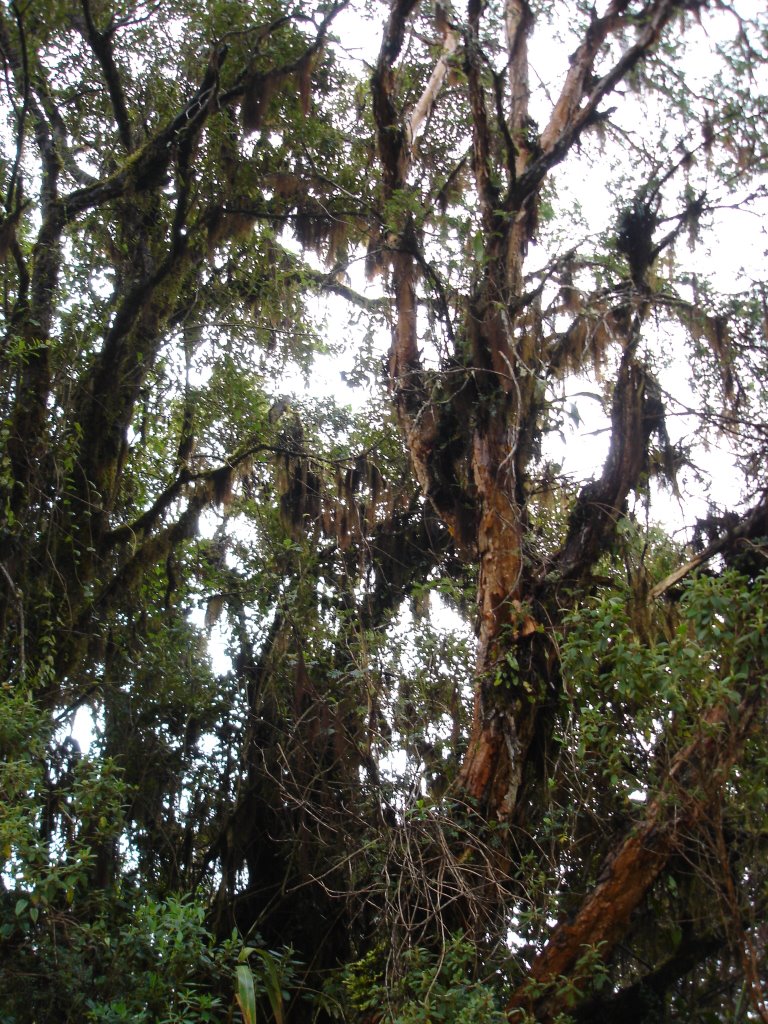
Moving further on downhill we reached areas
of cloudforest once again....

with stands of "tree bamboos" (my own term for them!)

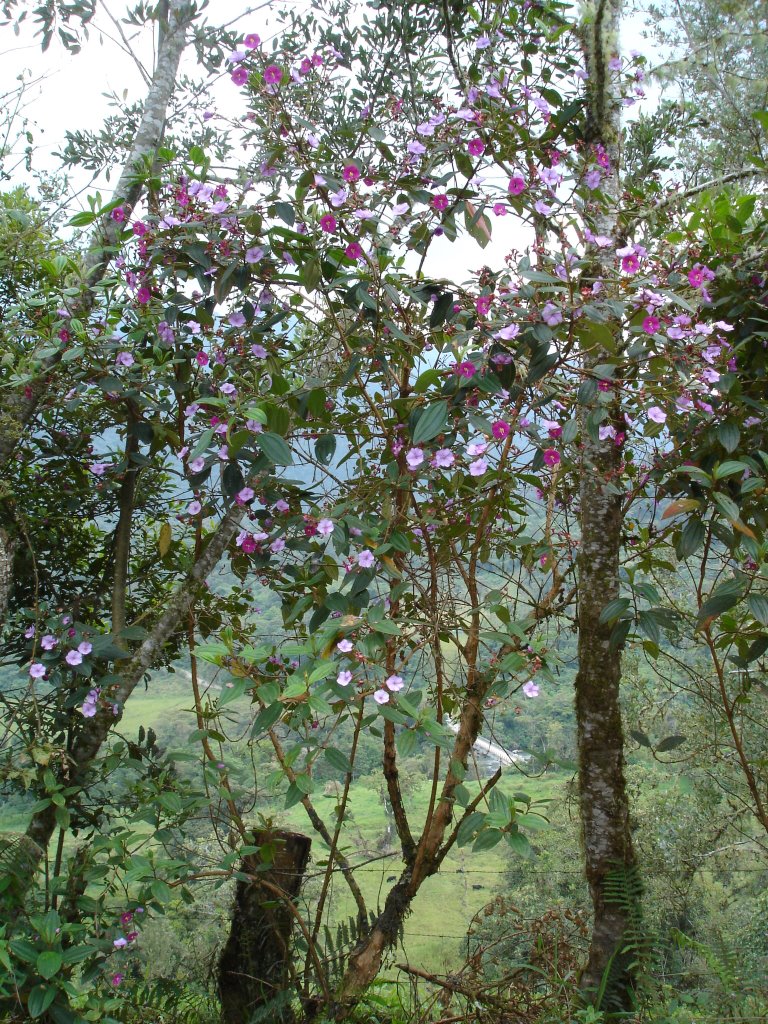
Finally we arrived at San Isidro lodge
(altitude 2100m) for our
overnight stop. http://www.sanisidrolodge.com/
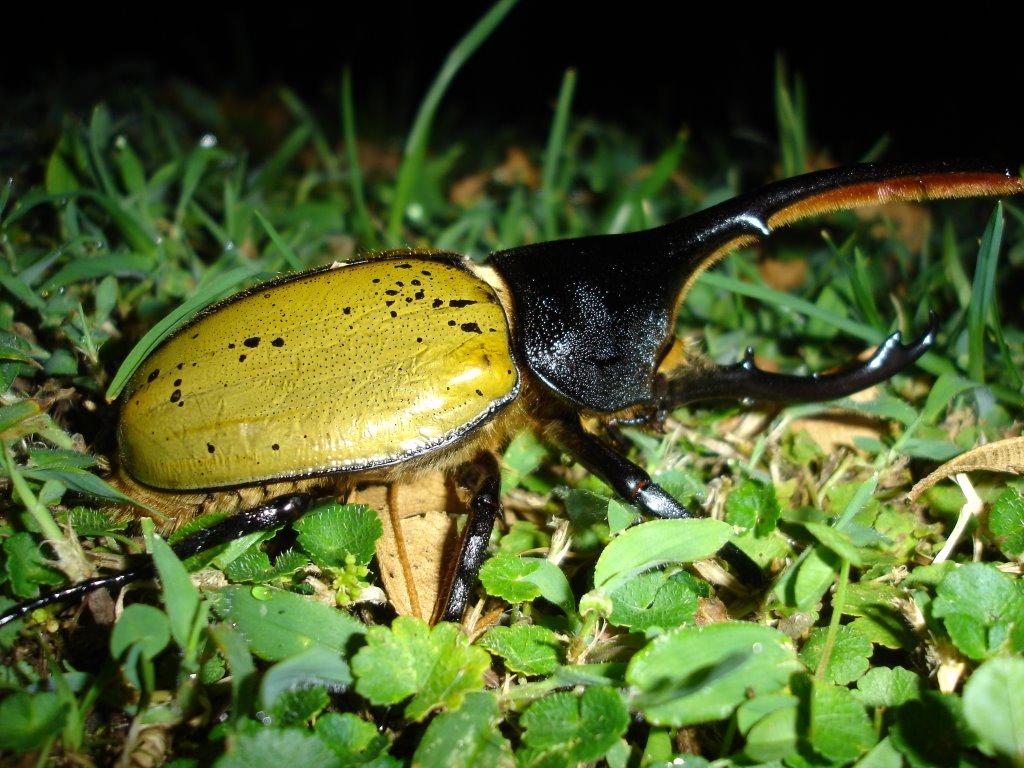
Walking back from an unsuccesful owl hunt
we came across this splendid rhinoceros beetle
and later enjoyed a very pleasant meal, whilst the
day ended with a bang; a spectacular electrical
storm.


And on that note I would have ended my account of
my holiday with Naturetrek (5th-20th November
2005). Except that, in fact, after a morning's birding
at San Isidro, a long haul up into the mountains
spotting a number of birds (including a very impressive
black-and-chestnut eagle high above us) and revisiting
the paramo to see pin prick views of ducks and a silvery
grebe (not a moment of great excitement for me,
I must admit) we arrived on time at the Mariscal Sucre
Airport in Quito to discover that our flight was delayed
for 18 hours. So I got another bonus night in Ecuador, with
views of Cotopaxi next morning both from the Hotel Quito
where we were accomodated,
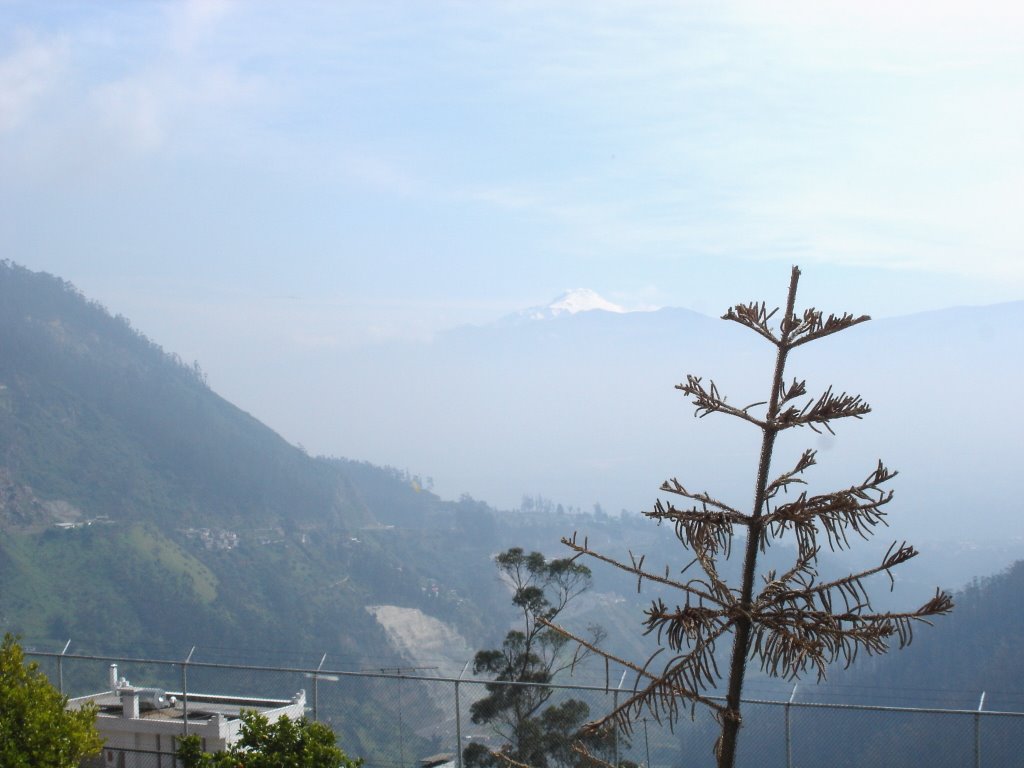
and from the air.
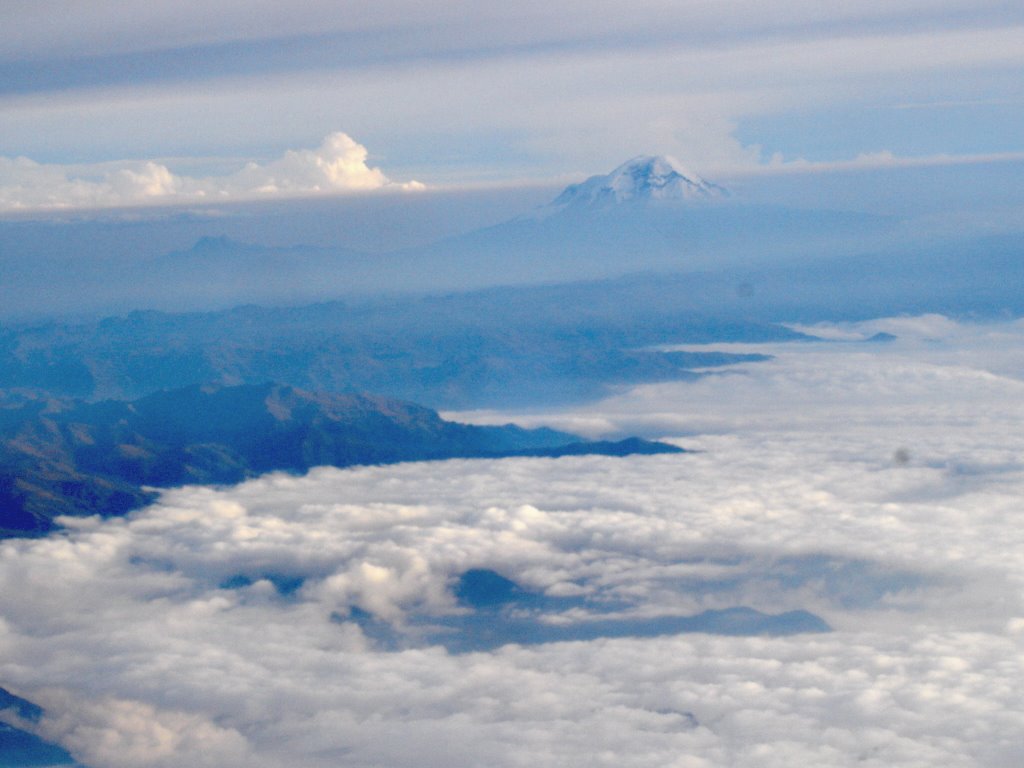
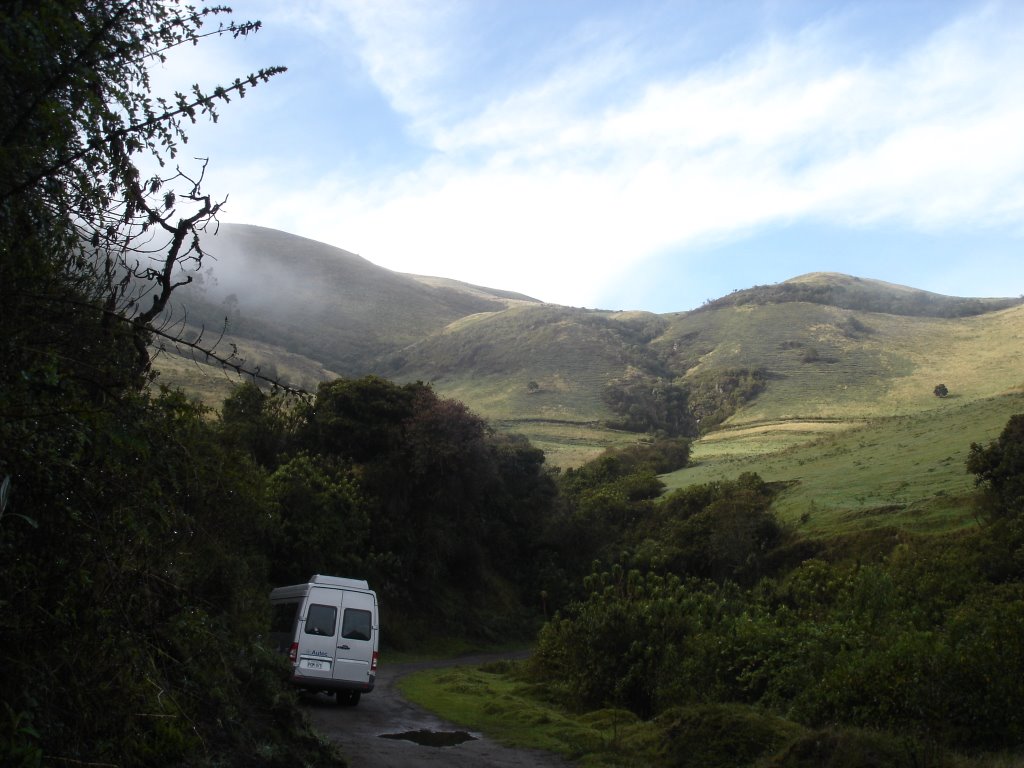
Goodbye Ecuador.......your scenery and wild places
are fabulous! Long may they remain so!

Saturday, 1 April 2006

Ecuadorean Highland Flings

Heading up from the already heady heights of Quito
(altitude c2800 m) we broke our journey towards
the Western Cloudforest (see previous blogs!)
with a visit to the Yanacocha reserve (at c3500m)
http://www.fjocotoco.org/reserves-Yanacocha.html


....where surrounding cloud created a moody
atmosphere..

...to cloak the distinctive Polylepsis woodland
that clung on the reserve's mountain slopes
above and below its main trackway.

..while smaller vegetation clung
on the rocks..

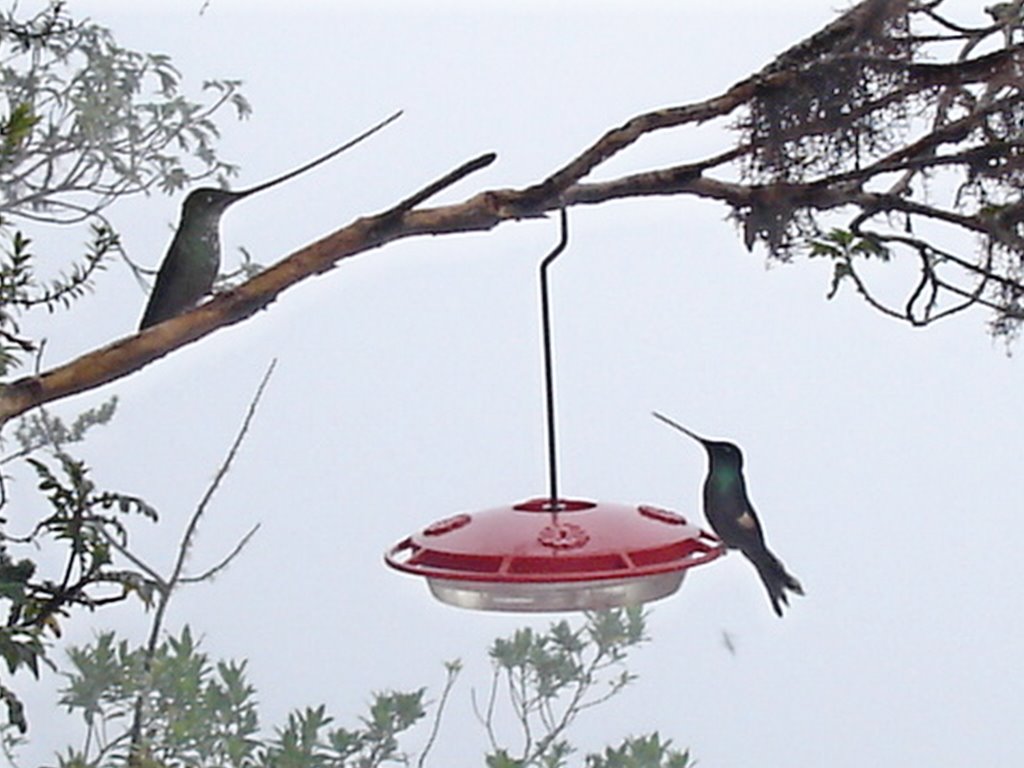
Of birdlife the most charismatic were
the hummingbirds such as the "buff-winged
starfronlets"....

or the accurately named sword-billed hummingbird
with its c.9.5 cm bill (total body length 13.5cm)!

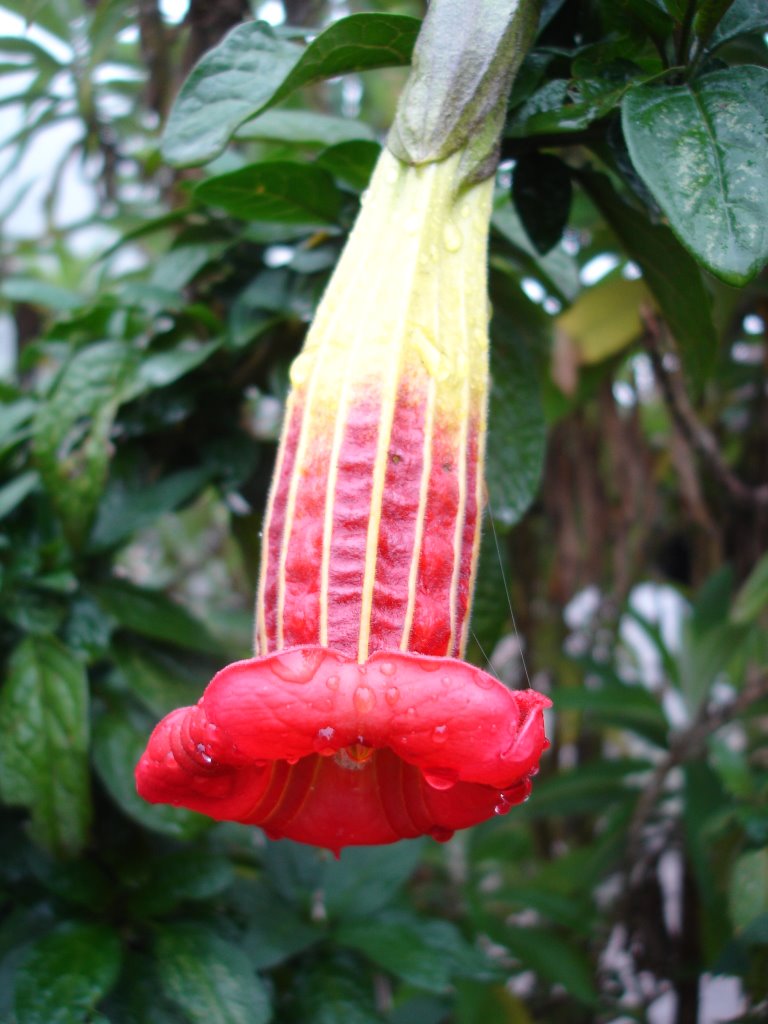
The flowers which the bird
aims to include in its sword-swallowing act are
long tubular ones such as this...

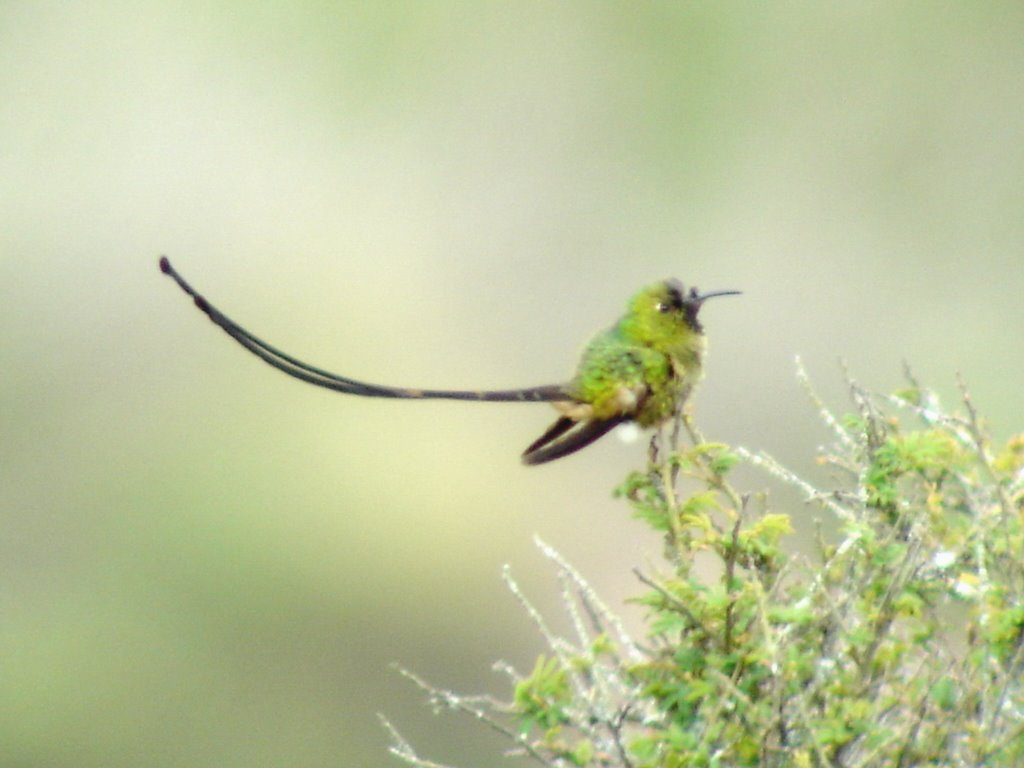
In another visit to the highlands we encountered
hummers blessed with equally elegant growths:
this time in the tail department! Here we have
a black-tailed trainbearer which posed very
obligingly for us..


For the ultimate highland experiences we ventured
east from Quito up into the Papallacta pass.
(the road through the pass reaches just over 4000m)


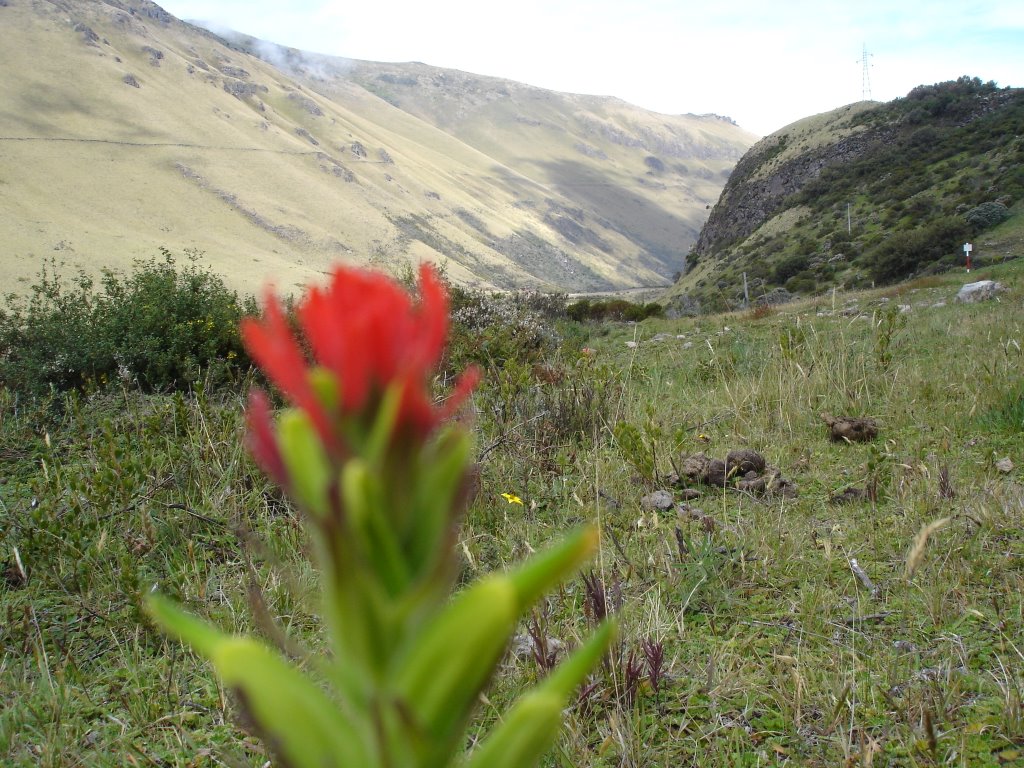
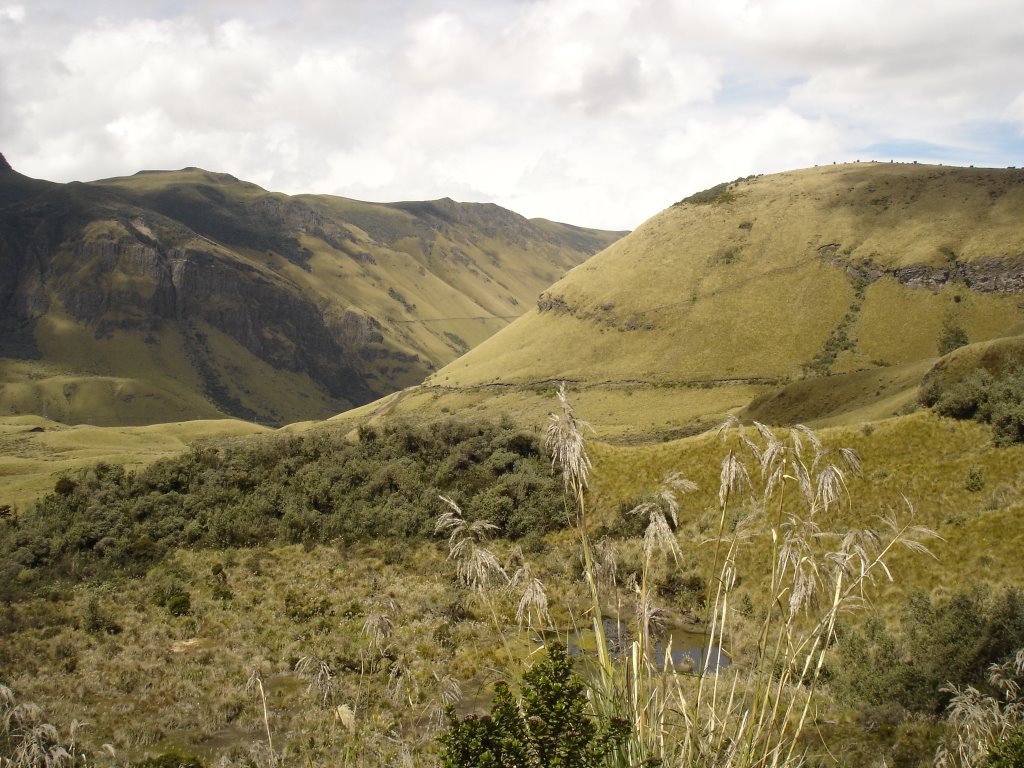
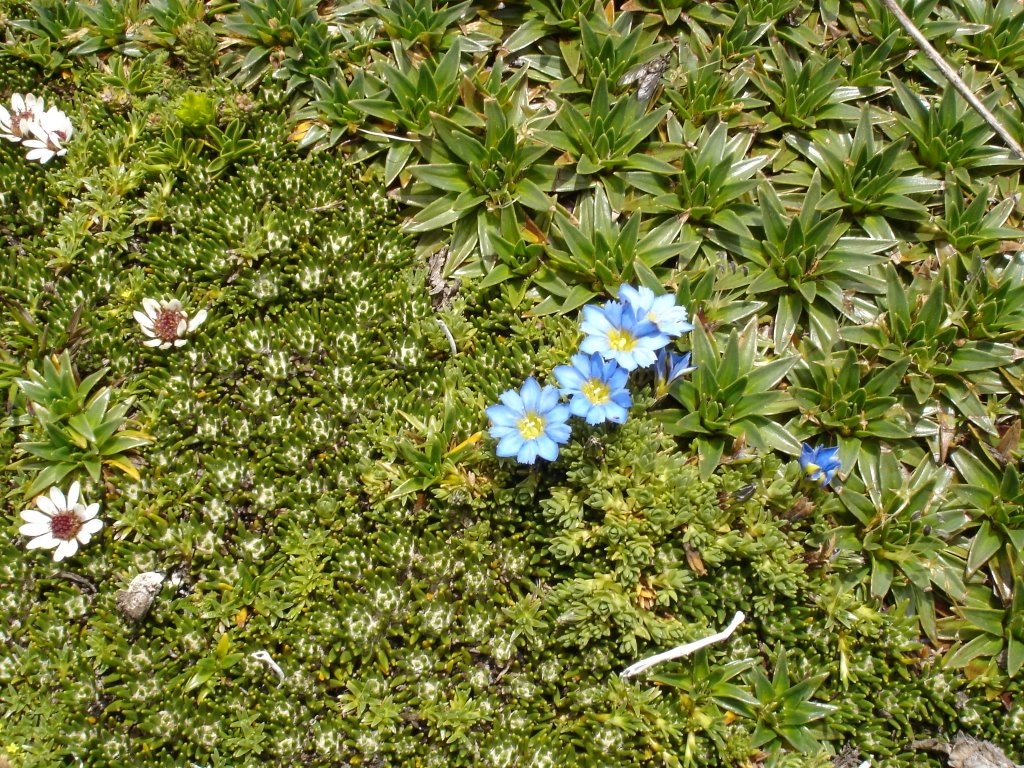
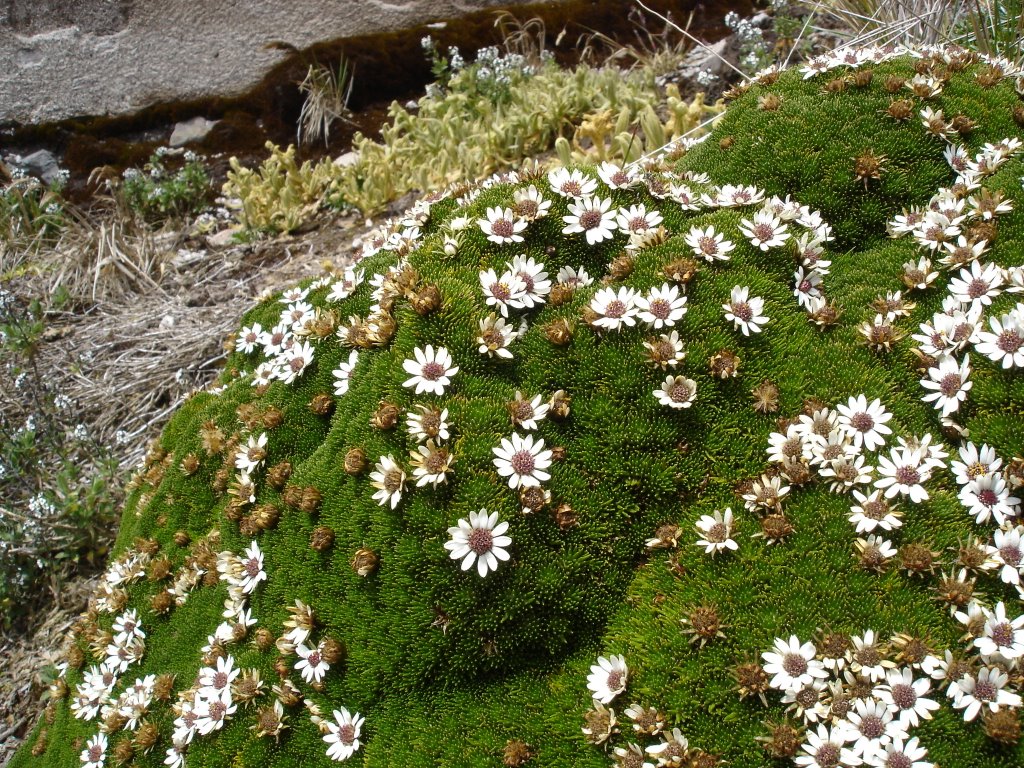
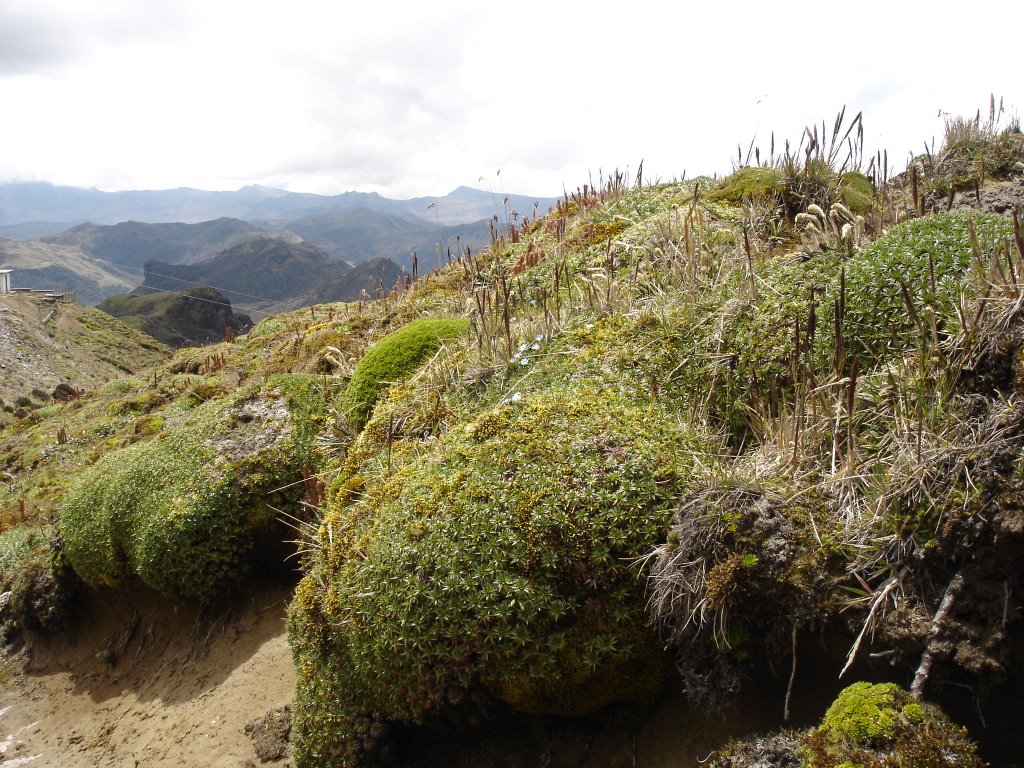
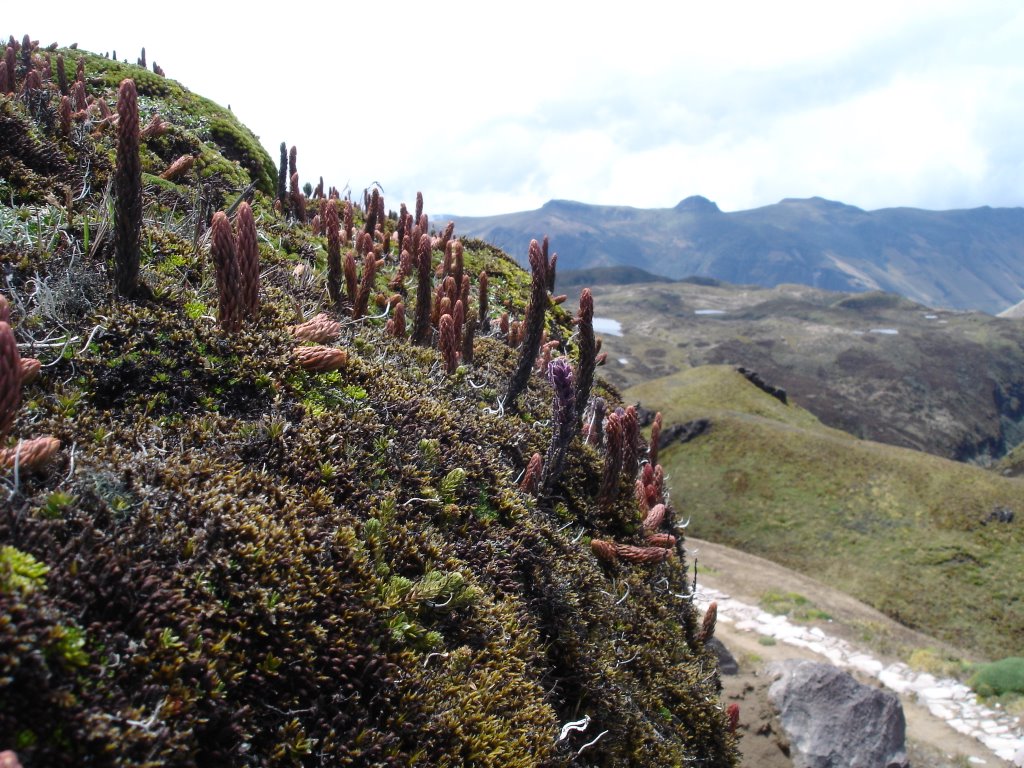
This terrain is refered to as the paramo, a land
for small varieties of pampas grasses and slow
growing, ground hugging flora such as these..


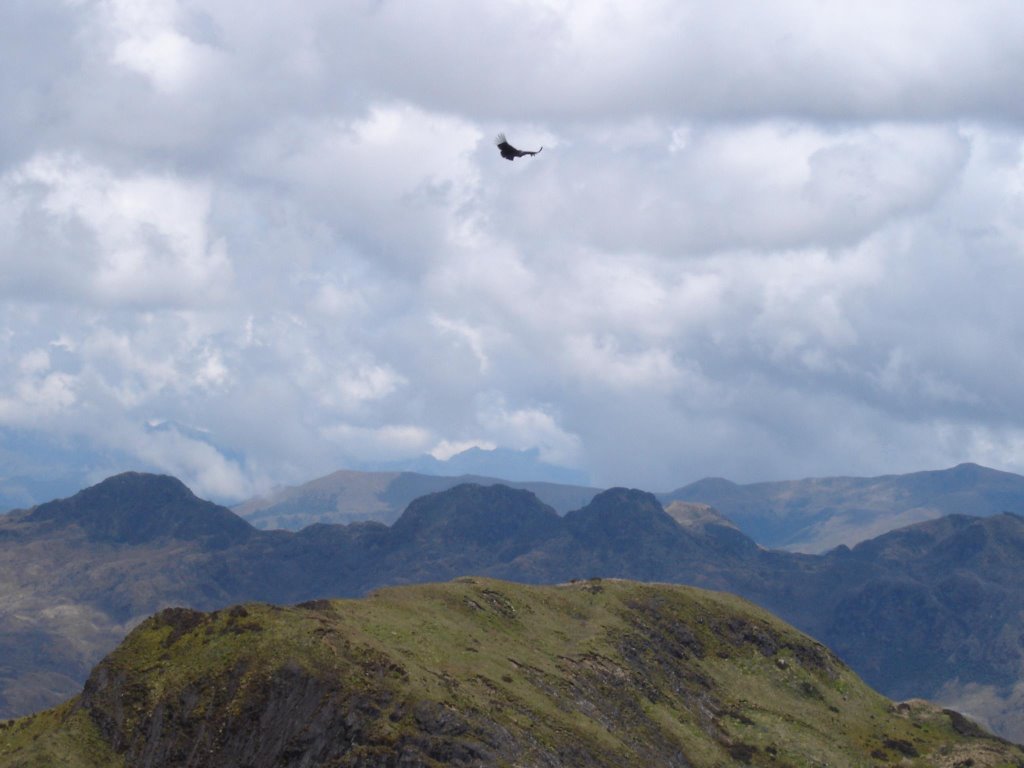
And here it is the highlight of highlights. A bird
that is iconic of the Andes, described as looking
like a flying barn door with three meter wingspan
- and the largest flying bird in the world.
A bird that I, or any of us, would have been thrilled
to have spotted as a distant speck in the sky......

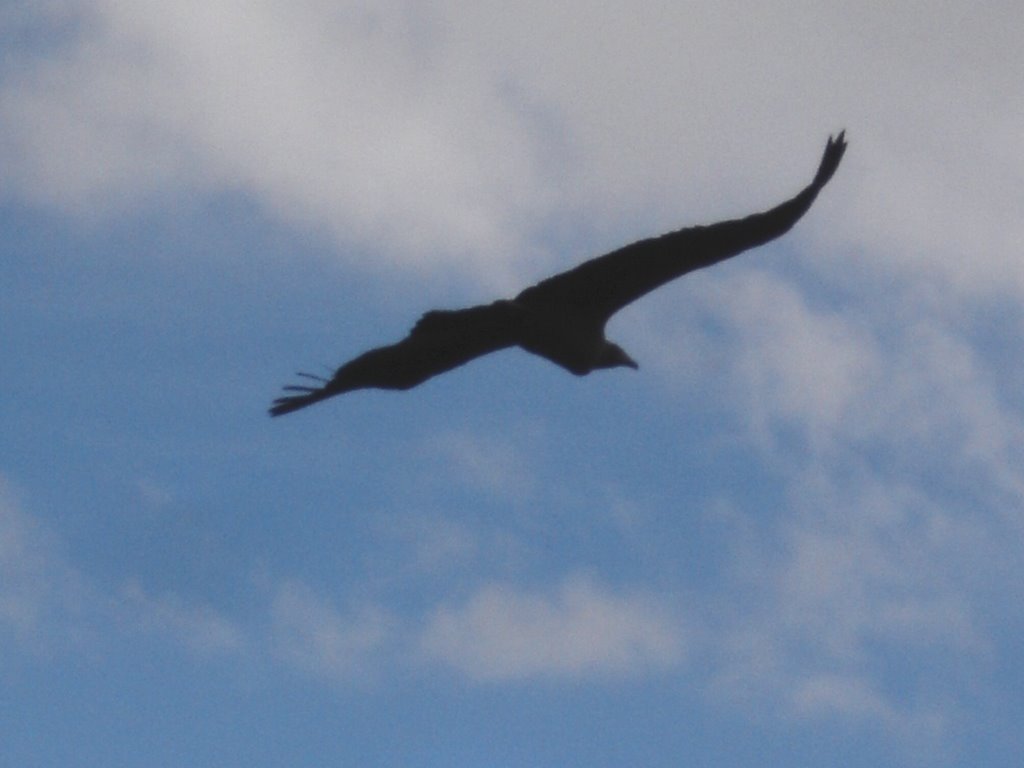
an Andean Condor!!!!!!!!!!!!!!!!!!!!!

To be watching this (juvenile) condor soaring
around us, only tens of meters away at times,
at the highest point of our tour was a thrilling
privelige. Even William, our Ecuadorean guide
had never before enjoyed such a moment.
It was truly stunning.

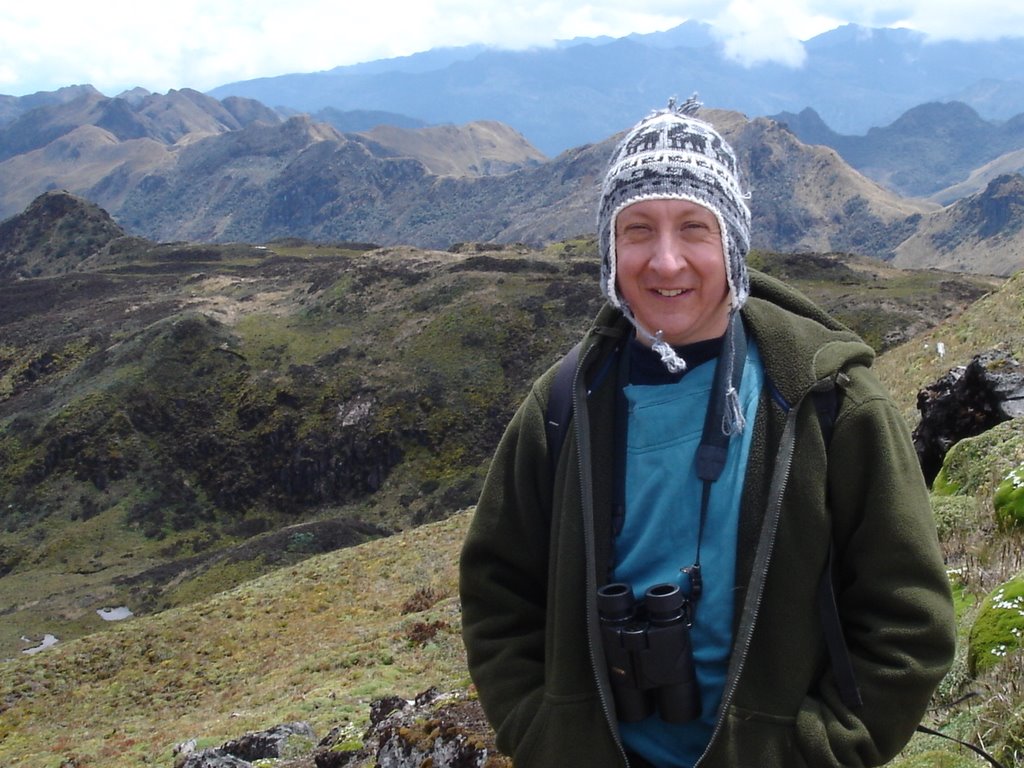
If my grin doesn't seem big enough to reflect
what I have just said that is because the moment
hadn't happened when this was taken. I was already
dead chuffed to be up in the Andes as it was!


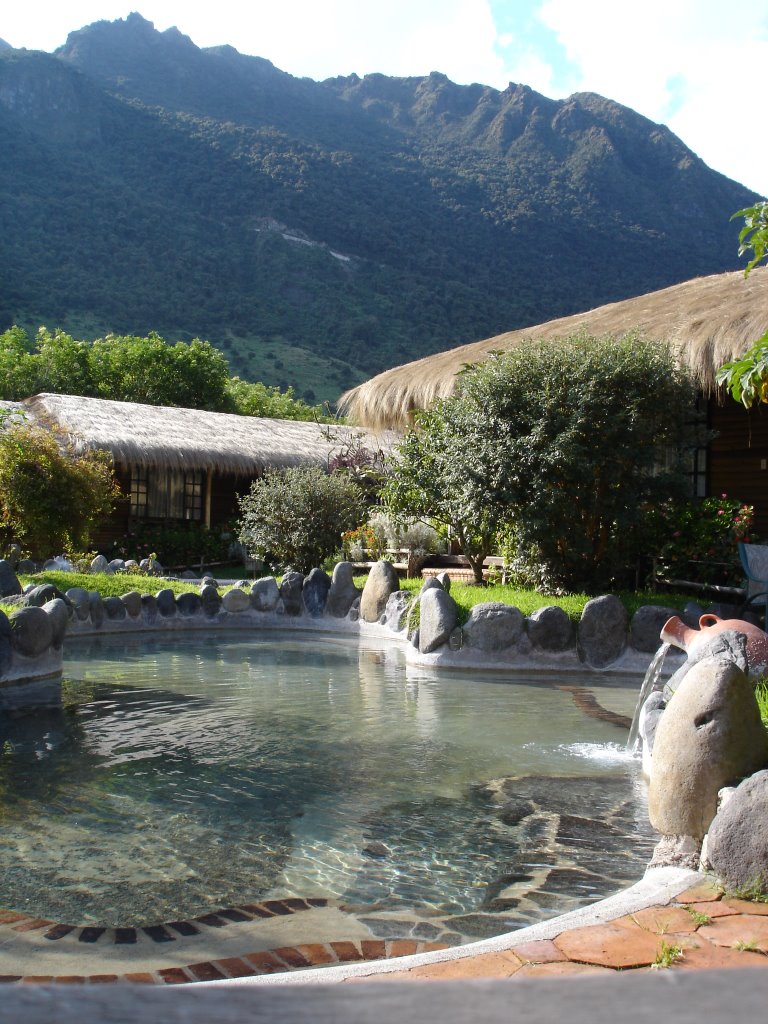
After all that excitement our overnight lodging
at the Papallacta Hotsprings resort, with relaxing massages
and hot water pools on offer, was a very welcome treat.
http://www.ecuaworld.com/ecuador_hot_springs.html

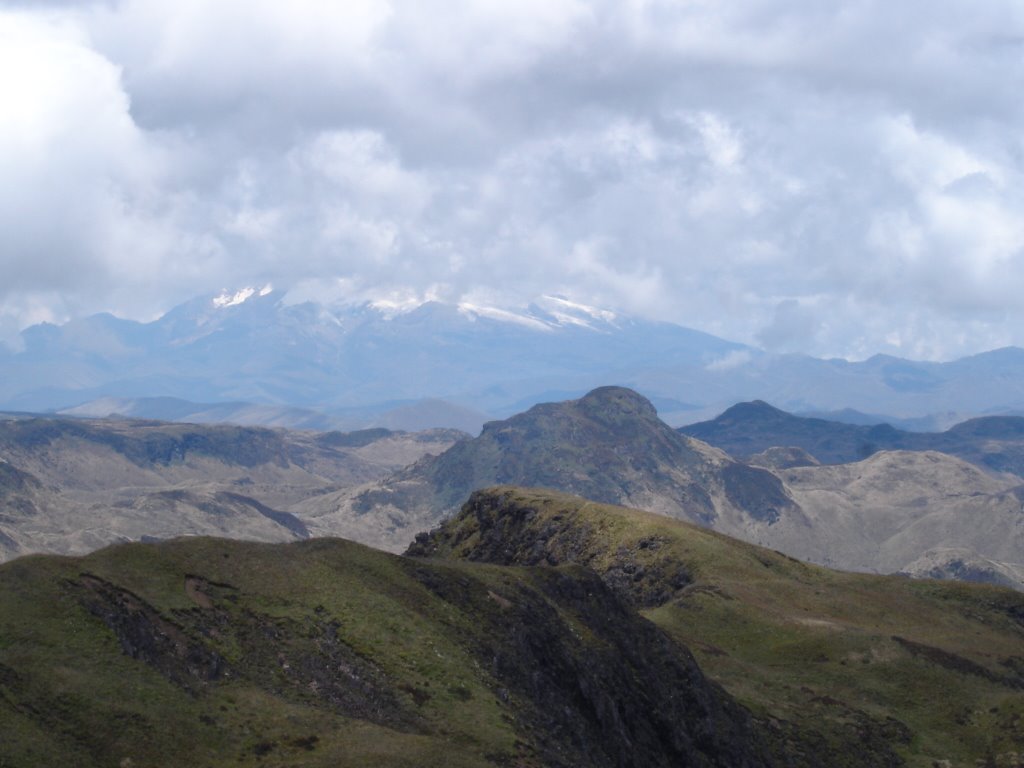
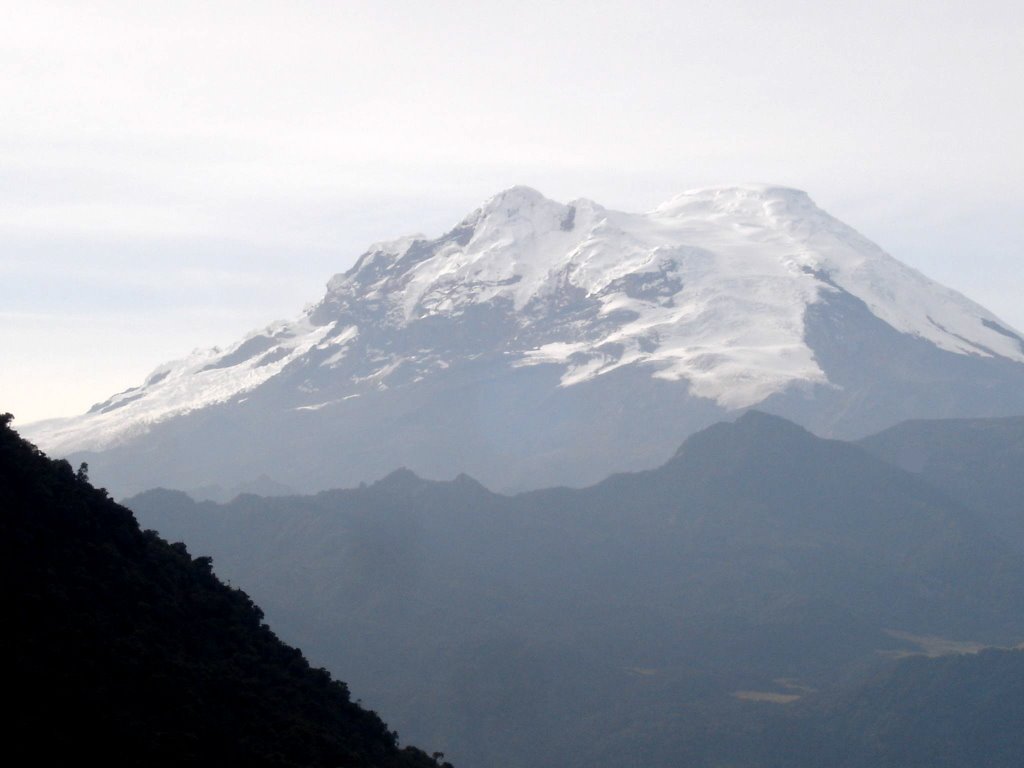
And next morning we awoke to excellent views
of Antisana volcano as we contined a downhill
journey towards eastern cloudforest.

Monday, 27 March 2006

Amazonian adventures come to an end

After four nights and three action packed days
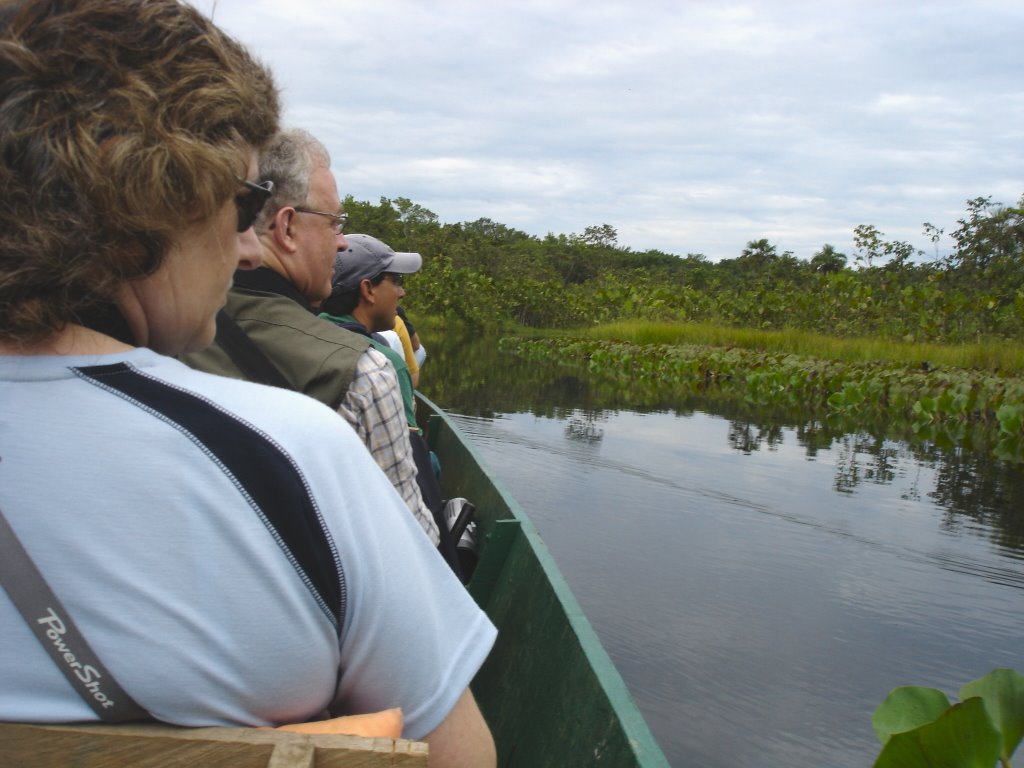
we were paddled one last time across the beautiful
Pilchilocha, leaving the delights of Sacha Lodge behind.


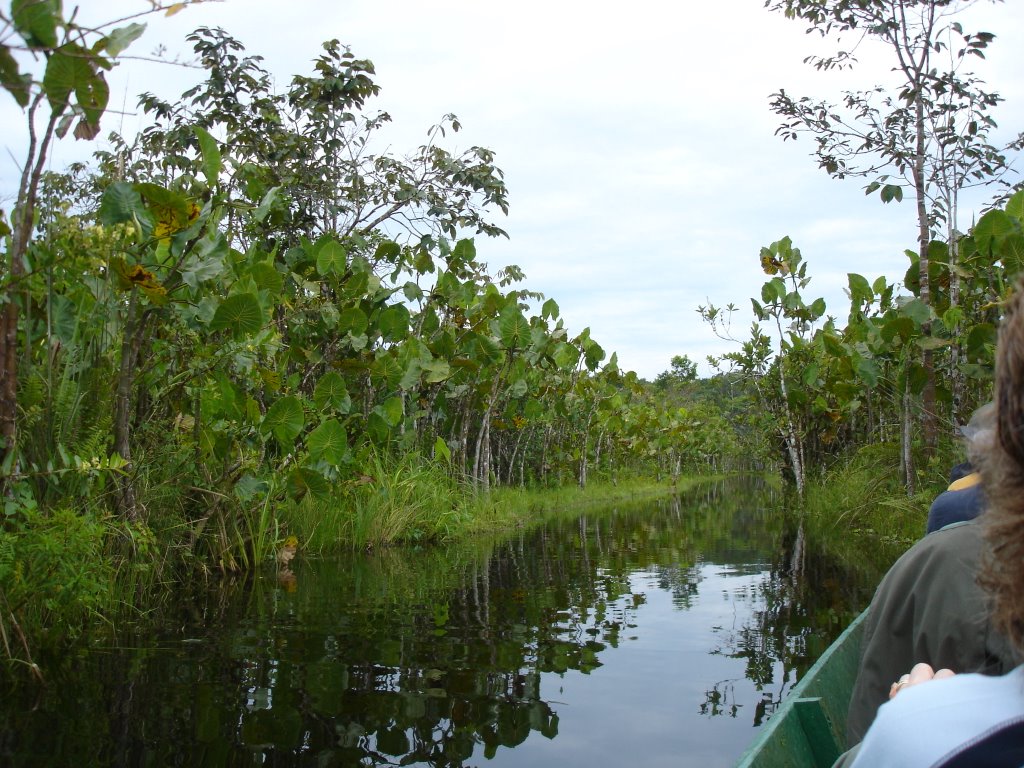
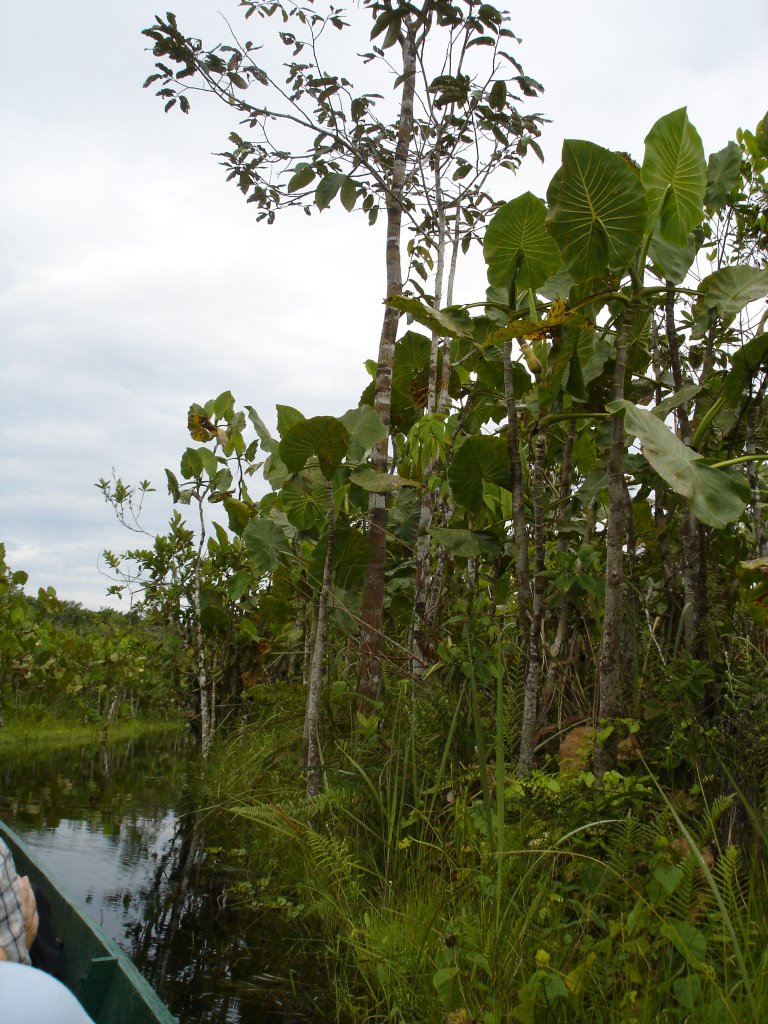
and for the last time seeing the wierd aroid
plants rimming the channel


On the way, however, we had a good look
at two species of woodpecker. We watched this
one picking bits of lichen off the branch to
use as a kind of sponge to clean under its wings

and this one, a spectacular and aptly named
cream-coloured woodpecker.

Then, back onto the Napo we went, back up-river
to Coca and farewell to the Amazon rainforest

Next stop the Andean highlands!

Amazon adventures: The Canopy Tower

In the evening of our final day at
Sacha Lodge we visited the Canopy
Tower,
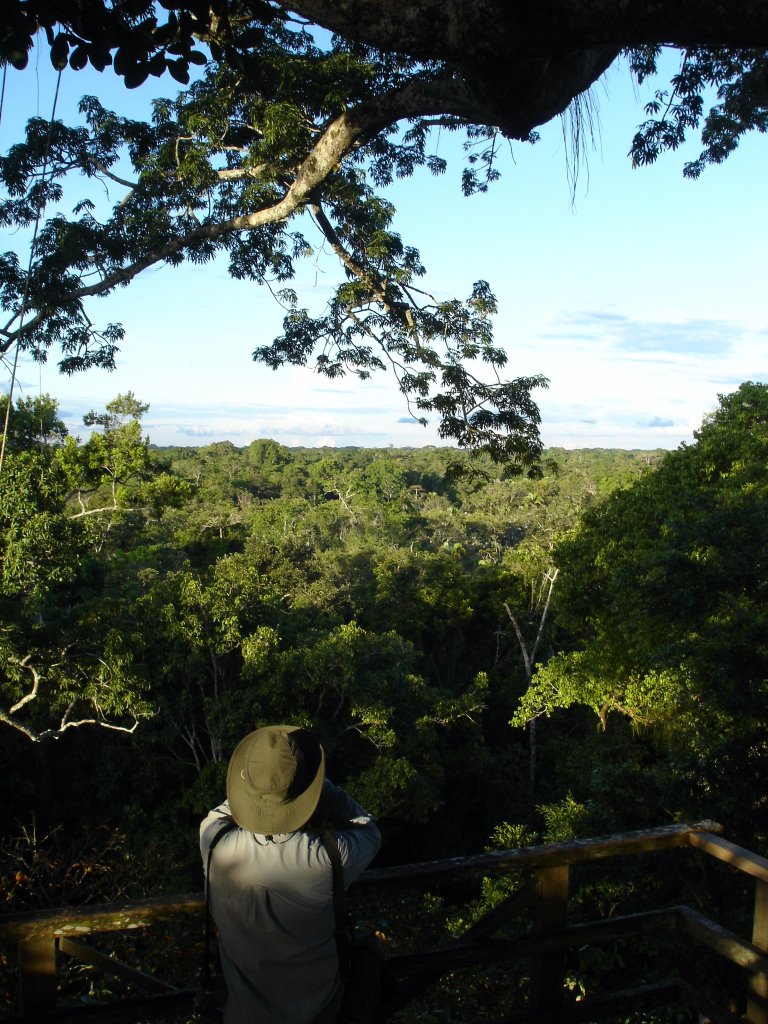
an extraordinarily large wooden
scaffolding structure built around
a (still growing) Kapok tree.
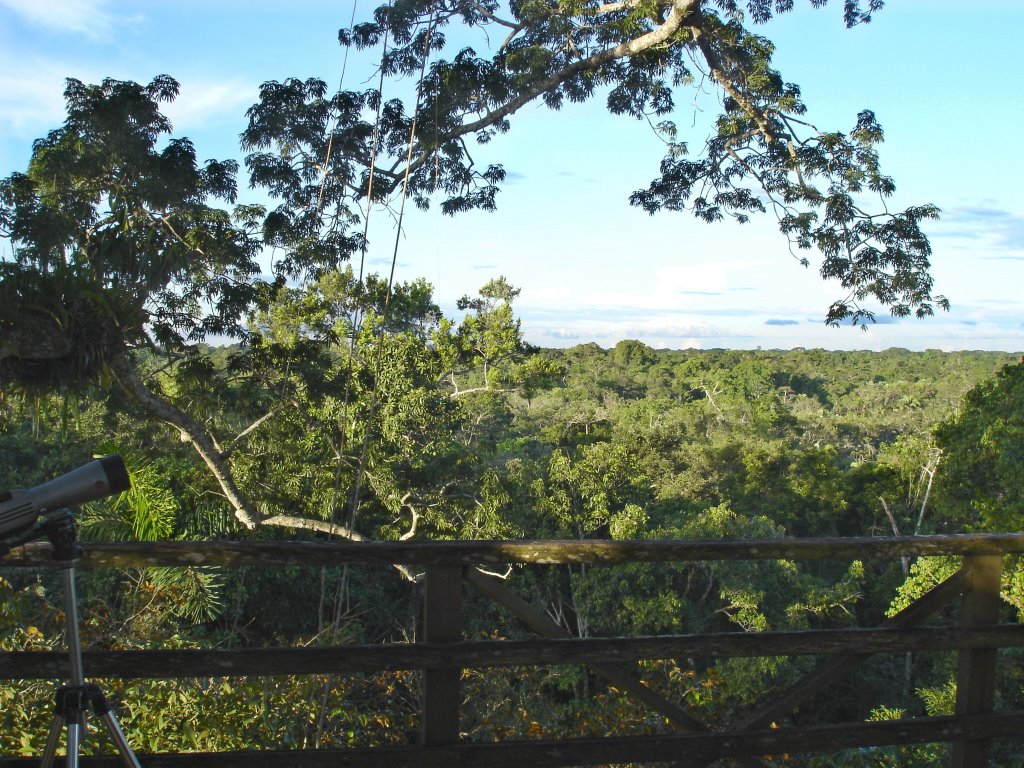
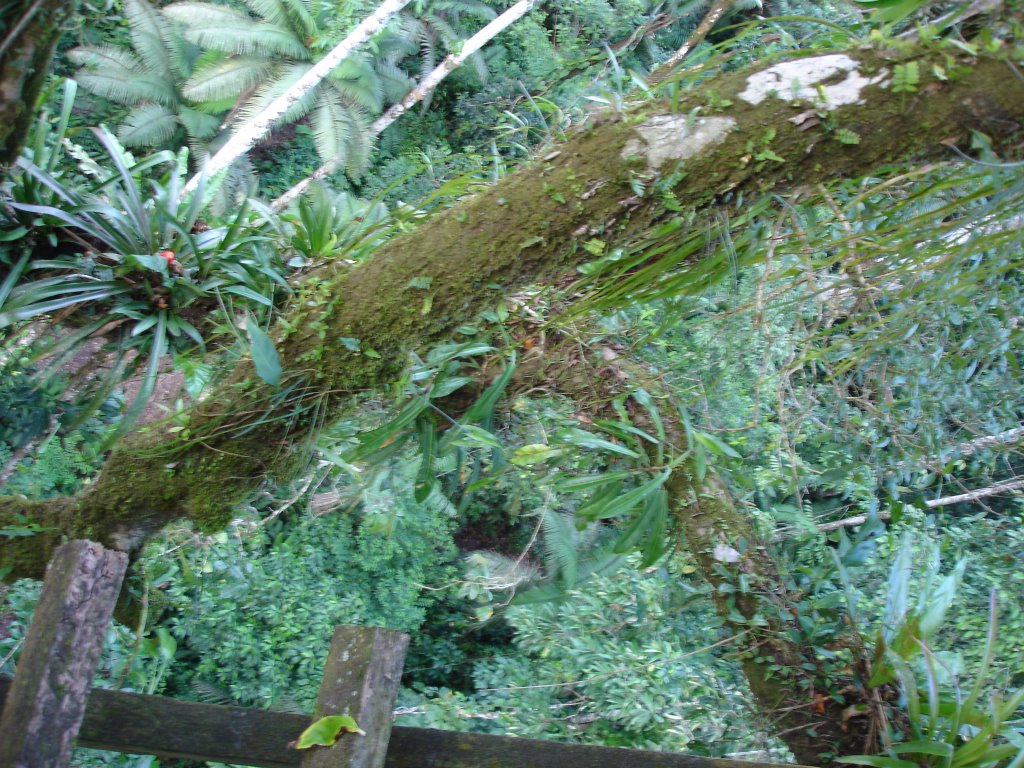
Great views were to had from 135 feet up
(and not even quite at the top of this tree!)
over the treetops of the surrounding
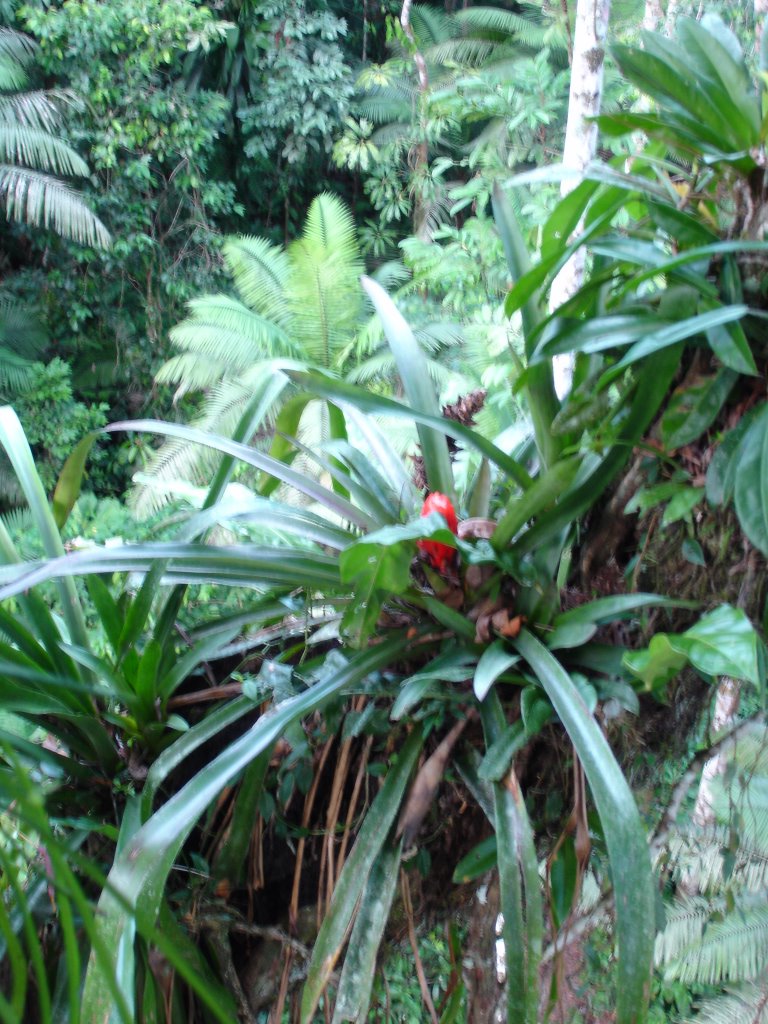
rainforest. Almost as extraordinary
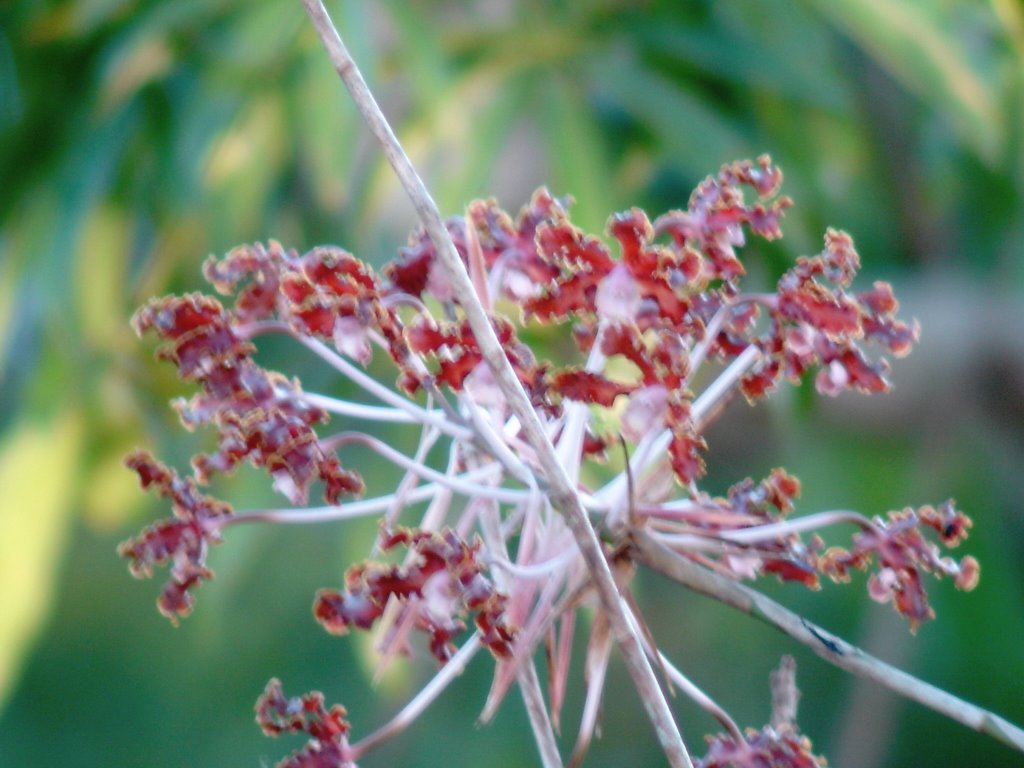
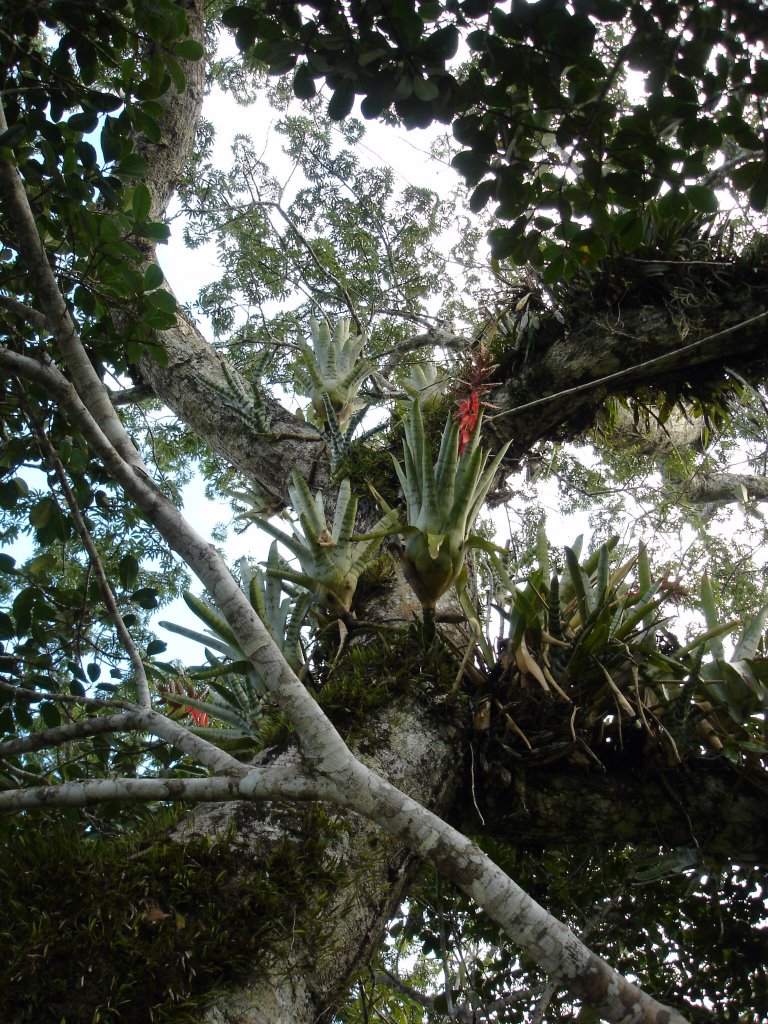
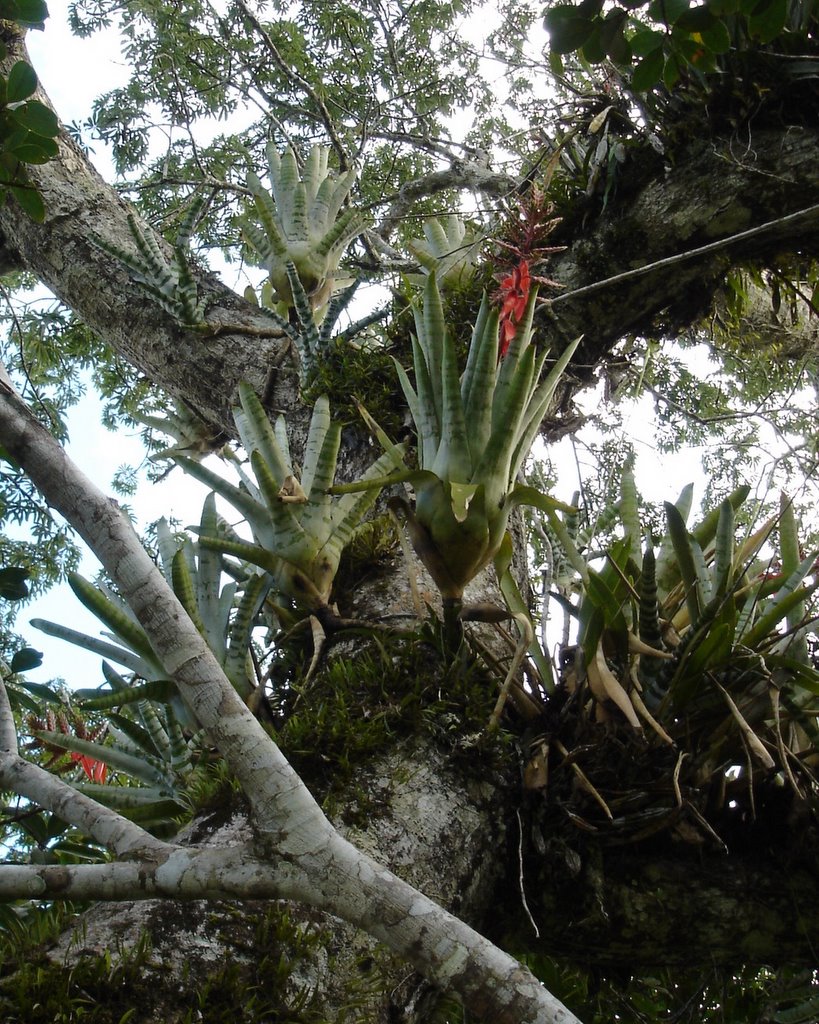
was it to admire the bromeliads and
orchids growing on the limbs (still very sizabley
girthed - a branch transplanted onto the
ground might still be considered a large tree
back home in the u.k.) of the kapok tree we had
climbed.


We had some good birdwatching.
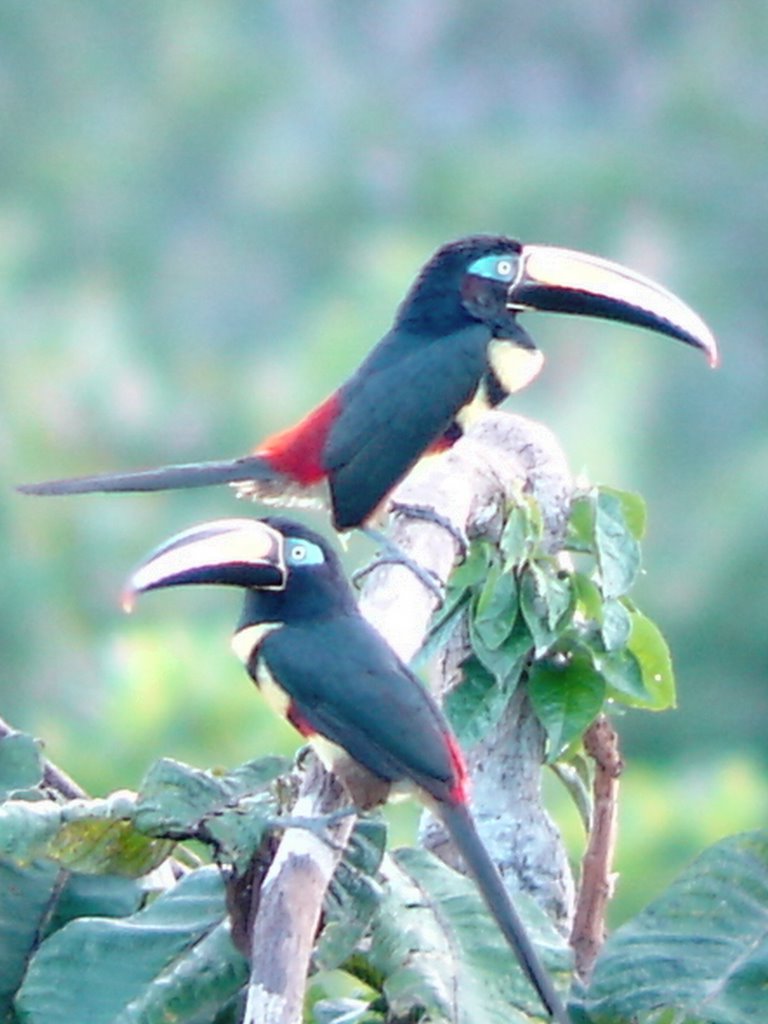
Here is one of the photos of which I am most proud:
a pair of many-banded aracaris (photo taken
through a telescope)


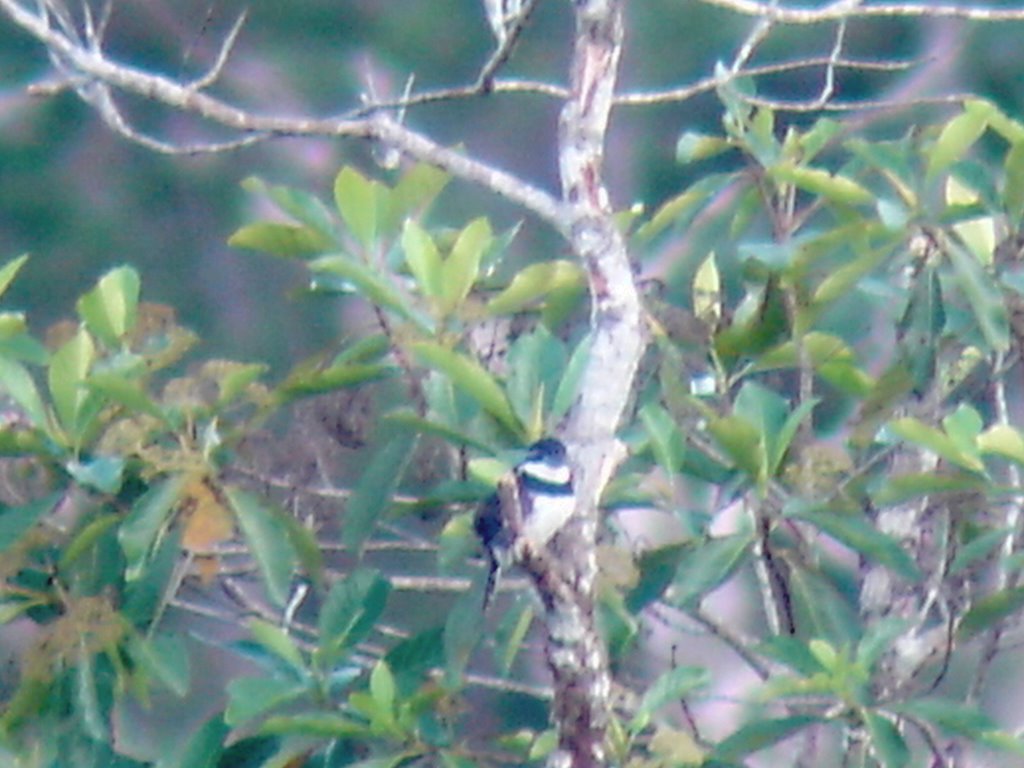
and here a much less great photo of a puffbird


a view downwards from our dizzying height...


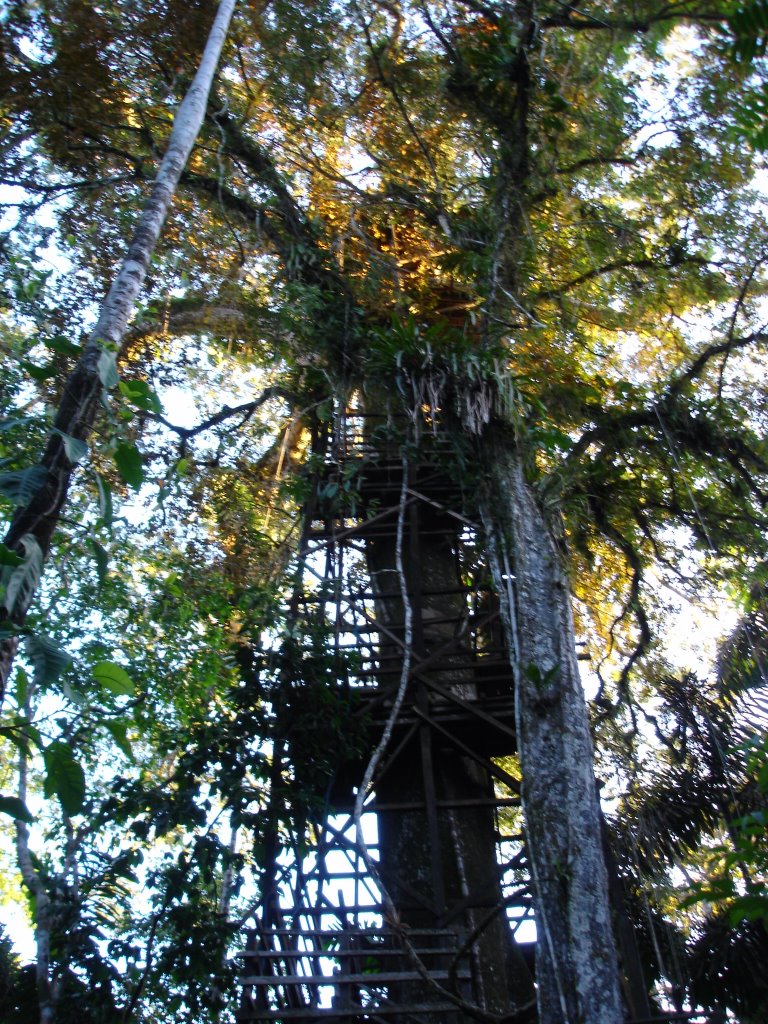
and, as the sun began to set accompanied by
the roaring - howling - sound of a troop of red howler
monkeys and we descended to the forest floor to head
back to the lodge, a last view back at the tree platform.
The light of the setting sun on
the crown of the kapok tree made it look
somewhat autumnal!


We took a canoe back to the lodge,
with the frog evening chorus to mesmerize us!